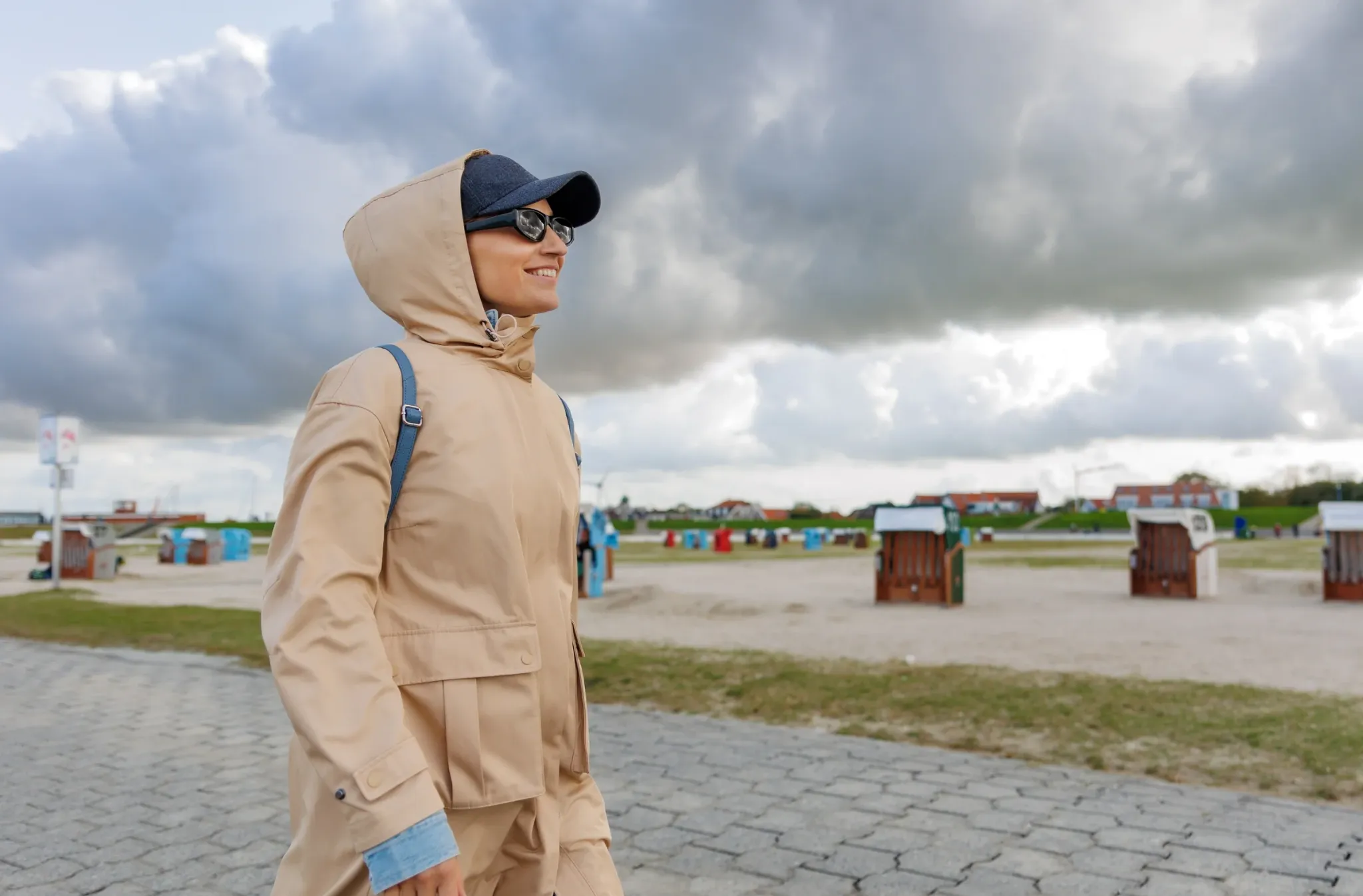


Kids do a lot more with their eyes at school than simply read the board. Focusing, tracking text, switching between near and far, and using both eyes together all matter too.

Schoolwork can rely on more than clear distance vision, including focusing, tracking and shifting between near and far.
Clear eyesight is only part of what school asks from a child's vision. Reading also depends on comfortable focusing, tracking lines of text, using both eyes together and shifting between books, screens and the front of the classroom.

Children do not always realize that what they see may be different from what someone else sees.
Children often assume everyone sees the way they do. A vision problem can be there for a while before anyone hears, “I can't see that.”

School struggles can have many causes. Vision is one variable worth checking rather than guessing about.
Losing their place while reading, holding books or screens very close, squinting, headaches or tired eyes after homework, avoiding reading, and sudden changes in school performance can all be worth paying attention to.
Those signs do not automatically mean there is a vision problem, but they are good reasons to have one ruled out.
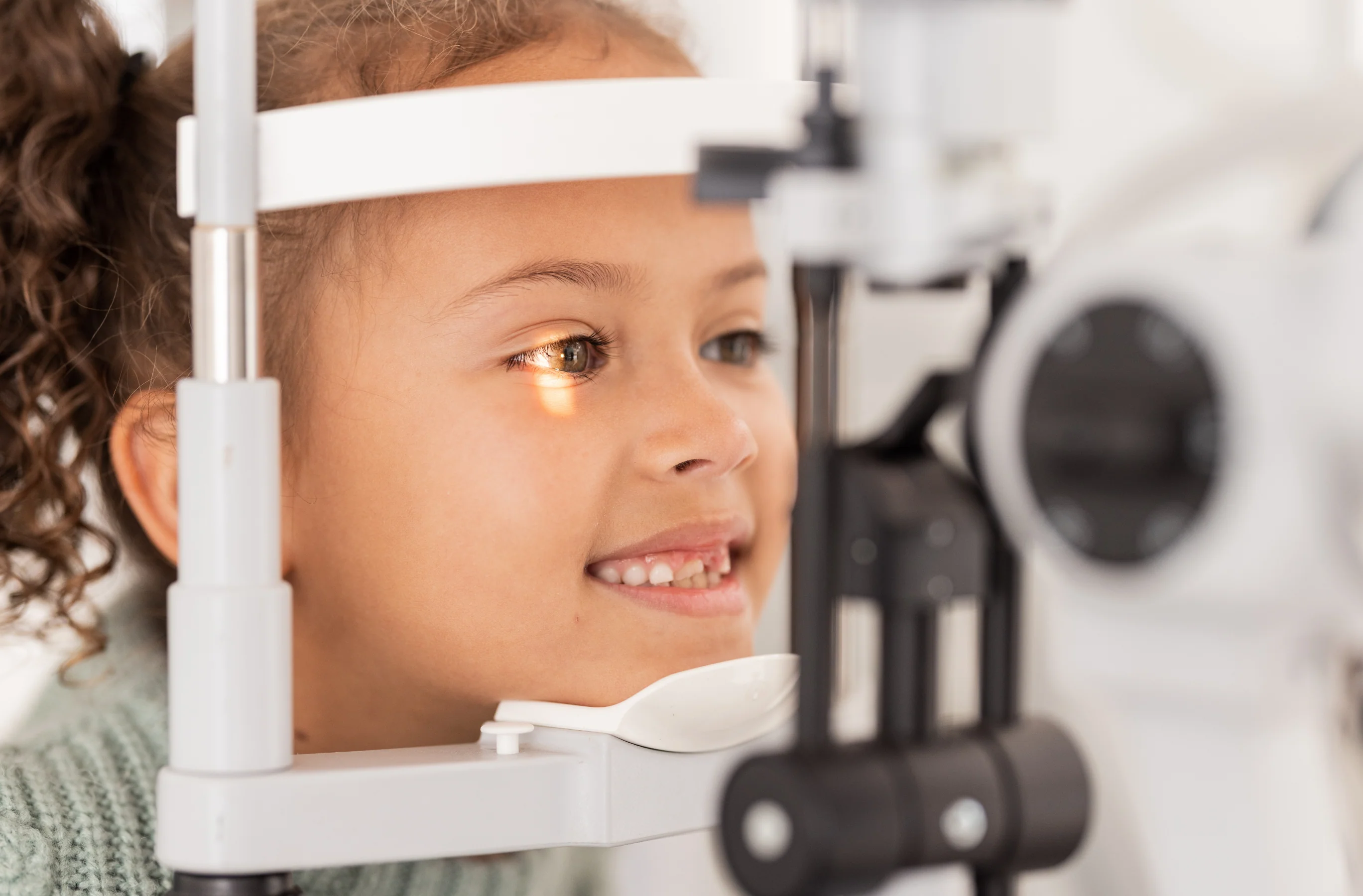
A comprehensive eye exam can help determine whether vision or eye health is contributing to a child's difficulty at school.
An eye exam will not explain every reading, concentration or school struggle.
What it can do is check whether vision or eye health is making the work harder than it needs to be, and give parents one less thing to guess about.


IRIS Cochrane provides eye exams, prescription eyewear, sunglasses and contact lenses for people and families in Cochrane and the surrounding area. The clinic is part of the Canadian IRIS network and is led locally by optometrists including Dr. Jason Hauck, Dr. Ravneet Grewal and Dr. Nadia Albano.

Dr. Jason has been looking after eyes for more than 20 years. He owns IRIS Cochrane and works alongside Dr. Ravneet Grewal and Dr. Nadia Albano.
IRIS Cochrane is a local optometry and eyewear clinic serving Cochrane residents with eye exams, vision care, prescription glasses, sunglasses and contact lenses. The clinic is part of IRIS The Visual Group, a Canadian eye care brand with roots dating back to 1990. IRIS brings optometrists, opticians and ophthalmology services together under one national banner, while the Cochrane clinic offers local access to care for families, adults, children, contact lens wearers and anyone noticing changes in their vision. Public IRIS listings identify Dr. Jason Hauck as Owner and Optometrist at IRIS Cochrane, with Dr. Ravneet Grewal and Dr. Nadia Albano also connected to the Cochrane clinic.