
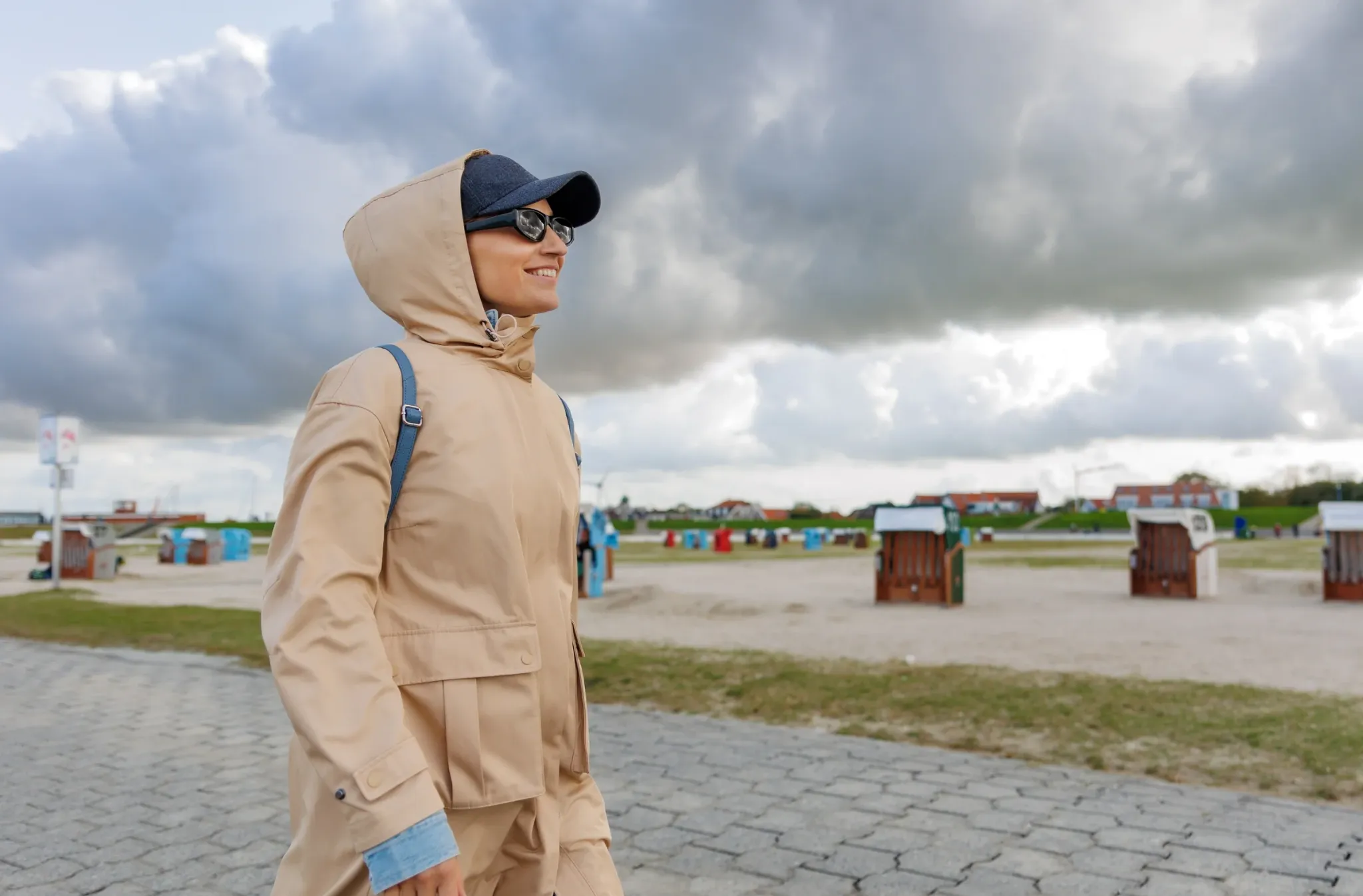

Clouds, snow, haze and changing Alberta weather can all make it easy to underestimate UV exposure. A few things are worth knowing before the sunglasses disappear into the glovebox until July.
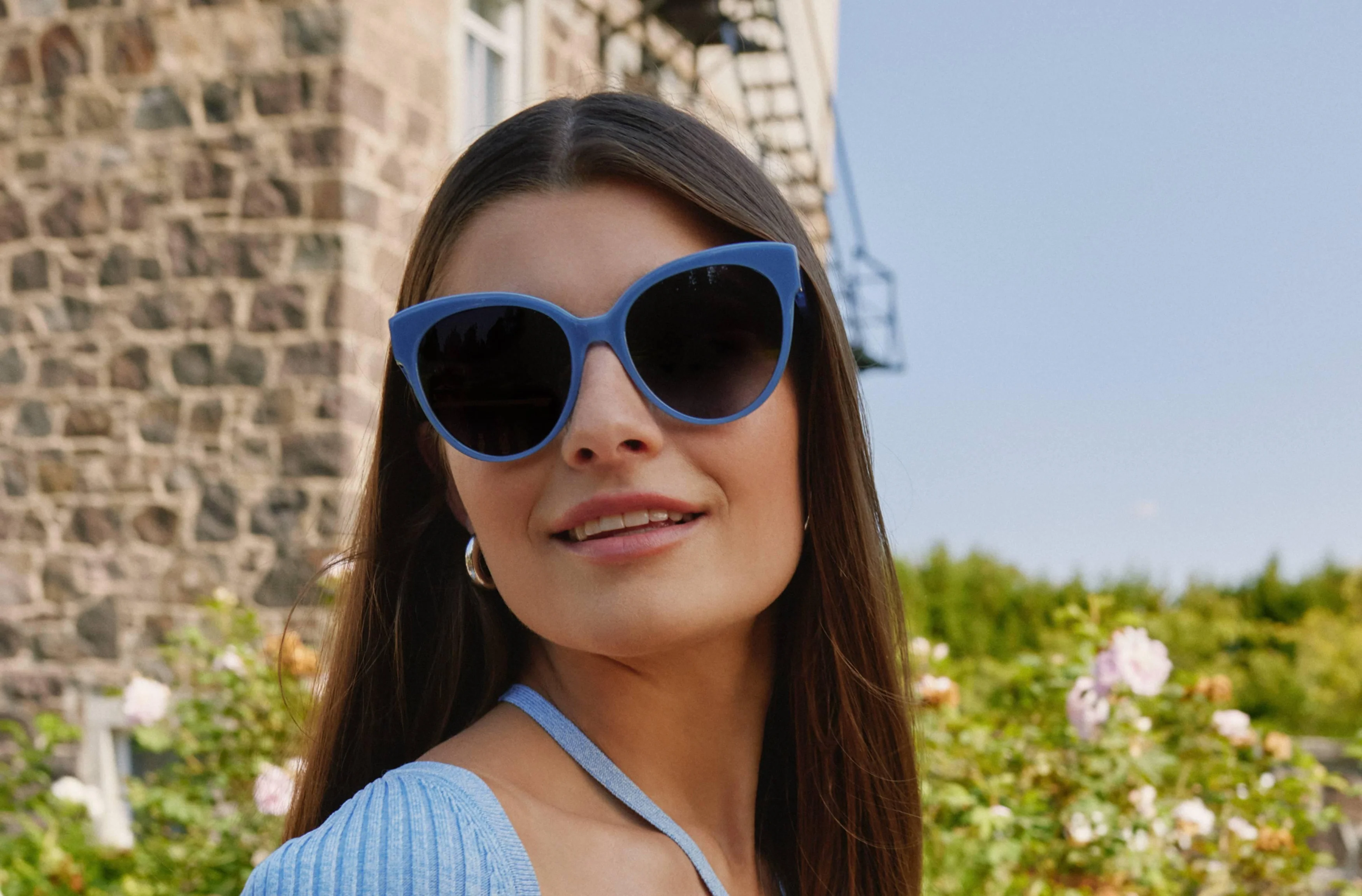
Visible brightness and UV protection are not the same thing. Sunglasses can still be useful when the sky looks less intense.
A cloudy day can feel dimmer without being UV-free. IRIS notes that ultraviolet rays can still pass through cloud cover, which means your eyes can still be exposed even when the sun is hiding.

Snow can reflect UV, making sunglasses useful well beyond summer weather.
Winter does not give sunglasses a seasonal layoff either. Snow reflects UV, increasing exposure when light bounces back up from the ground.
If you are driving, walking outside or heading toward the mountains, sunglasses can still be doing useful work long after patio season ends.

Dark tint is not proof of UV protection. Look for 100% UV protection or UV400.
Lens tint and UV protection are not the same thing. A very dark lens can look serious without actually providing the protection your eyes need.
Look for lenses that provide 100% UV protection, often labelled UV400, rather than judging a pair by how dark the tint appears.

Sunglasses can be part of everyday eye protection in winter, cloudy weather and bright summer conditions alike.
UV protection matters, but so do comfort, fit and what you actually do in them.
Driving, errands, sports, winter walks and everyday outdoor time can call for different styles. The goal is not to own sunglasses for dramatic weather. It is to have a pair that is easy to reach for when the sky is doing whatever Alberta has decided to do that hour.


IRIS Cochrane provides eye exams, prescription eyewear, sunglasses and contact lenses for people and families in Cochrane and the surrounding area. The clinic is part of the Canadian IRIS network and is led locally by optometrists including Dr. Jason Hauck, Dr. Ravneet Grewal and Dr. Nadia Albano.

Dr. Jason has been looking after eyes for more than 20 years. He owns IRIS Cochrane and works alongside Dr. Ravneet Grewal and Dr. Nadia Albano.
IRIS Cochrane is a local optometry and eyewear clinic serving Cochrane residents with eye exams, vision care, prescription glasses, sunglasses and contact lenses. The clinic is part of IRIS The Visual Group, a Canadian eye care brand with roots dating back to 1990. IRIS brings optometrists, opticians and ophthalmology services together under one national banner, while the Cochrane clinic offers local access to care for families, adults, children, contact lens wearers and anyone noticing changes in their vision. Public IRIS listings identify Dr. Jason Hauck as Owner and Optometrist at IRIS Cochrane, with Dr. Ravneet Grewal and Dr. Nadia Albano also connected to the Cochrane clinic.