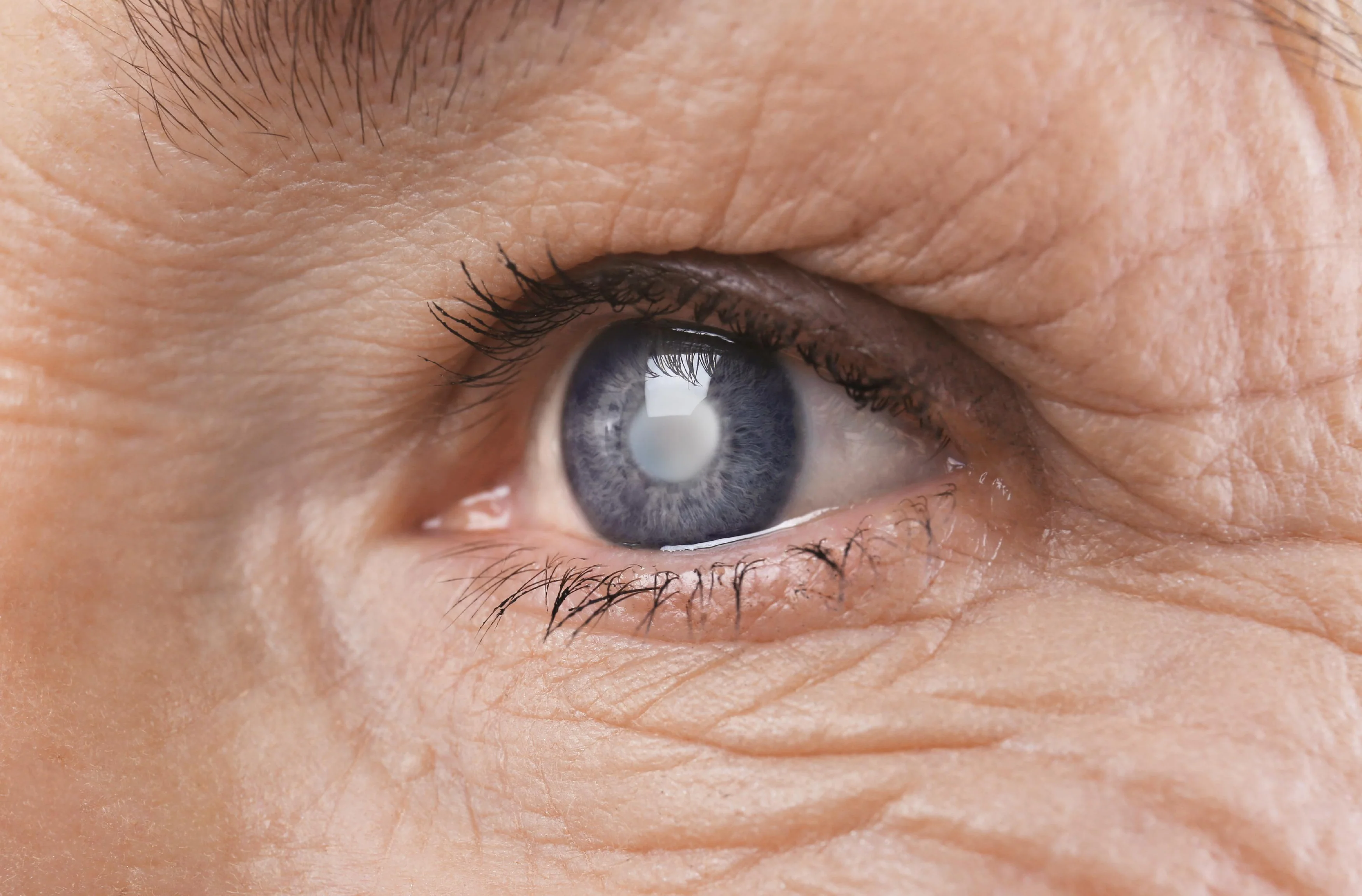


Yes, it can affect your eyes before you notice anything. Long-term high blood pressure can change the very small blood vessels in the retina, and early hypertensive retinopathy may cause no vision symptoms at all.
An eye exam can sometimes pick up those changes and prompt medical follow-up. It does not, by itself, diagnose high blood pressure.

The retina is the light-sensitive tissue lining the back of your eye, and it runs on a network of very small blood vessels.
When blood pressure stays too high for too long, those vessels can narrow or thicken. More advanced damage can involve leakage, bleeding, swelling or changes around the optic nerve.
The vessels are tiny. Their opinions about hypertension are not.
This is the part worth knowing. Early hypertensive retinopathy may cause no noticeable symptoms at all.
Later, as it becomes more advanced, vision changes can include blurred or double vision, dark areas in your vision or significant vision loss. Early on, there is usually nothing to notice.
Not by itself.
An optometrist may see retinal changes that can be associated with hypertension and recommend medical follow-up. Diagnosing high blood pressure still means measuring it and having the result assessed properly.
Your retina may wave the flag. Someone still has to investigate the flag.


It depends what is found. A change may need monitoring. It may lead to more eye testing. Or it may be a reason for your optometrist to suggest you speak with your family doctor.
The point is not to turn an eye exam into detective television. It is to recognize a clue when the clue deserves following.
Modern retinal imaging can produce detailed photographs of the back of the eye. IRIS also uses technology that can analyze those photographs and help eye-care professionals assess changes associated with conditions including hypertensive retinopathy.
The useful part is not that a computer gets to play doctor. It is that the optometrist has another layer of information about what they are already looking at.
Less robot doctor. More extremely attentive second set of digital eyes.

If high blood pressure is affecting the retinal vessels, the underlying problem is the high blood pressure.
Managing it with your healthcare team is a large part of protecting both your general health and your eyes. That may mean medication, lifestyle changes or other treatment recommended for you.

Tell your optometrist. Your medical history helps put what they see during the exam into context, and it can change what needs watching.
And do not wait for a routine appointment if something changes suddenly. New blurred vision, double vision, dark areas in your vision or vision loss deserves prompt medical or eye-care assessment.
High blood pressure can affect the retina before you notice anything about your vision.
An eye exam does not replace a blood-pressure check, and a blood-pressure check does not show what the vessels at the back of your eye look like.

IRIS Cochrane provides eye exams, prescription eyewear, sunglasses and contact lenses for people and families in Cochrane and the surrounding area. The clinic is part of the Canadian IRIS network and is led locally by optometrists including Dr. Jason Hauck, Dr. Ravneet Grewal and Dr. Nadia Albano.

IRIS Cochrane is a local optometry and eyewear clinic serving Cochrane residents with eye exams, vision care, prescription glasses, sunglasses and contact lenses. The clinic is part of IRIS The Visual Group, a Canadian eye care brand with roots dating back to 1990. IRIS brings optometrists, opticians and ophthalmology services together under one national banner, while the Cochrane clinic offers local access to care for families, adults, children, contact lens wearers and anyone noticing changes in their vision. Public IRIS listings identify Dr. Jason Hauck as Owner and Optometrist at IRIS Cochrane, with Dr. Ravneet Grewal and Dr. Nadia Albano also connected to the Cochrane clinic.