


Your immune system is supposed to protect you. Autoimmune disease is what happens when it starts attacking the body’s own tissues instead.
The eyes can get caught in that.
Rheumatoid arthritis, lupus, Sjögren’s syndrome and multiple sclerosis can all be associated with eye problems, although the symptoms and the risks vary from one condition to another. Sometimes the issue is dryness. Sometimes it is inflammation. Sometimes it involves the optic nerve and needs more urgent assessment.
Dry eye is common and it usually has an ordinary explanation. But IRIS lists autoimmune diseases among the physical causes.
When the eyes do not produce enough tears, or the quality of the tear film is poor, symptoms can include burning, stinging, itching, redness, watering and a gritty feeling.

Sjögren’s syndrome affects the glands that produce moisture, including tears and saliva. That is why dry eye can be such a prominent symptom, and why it tends to be more severe than everyday dryness. The Sjögren’s Society of Canada reports that more than 90 per cent of people living with Sjögren’s deal with the most severe form of dry eye disease.
In this case the problem is not screen time. It is the tear-producing system itself.
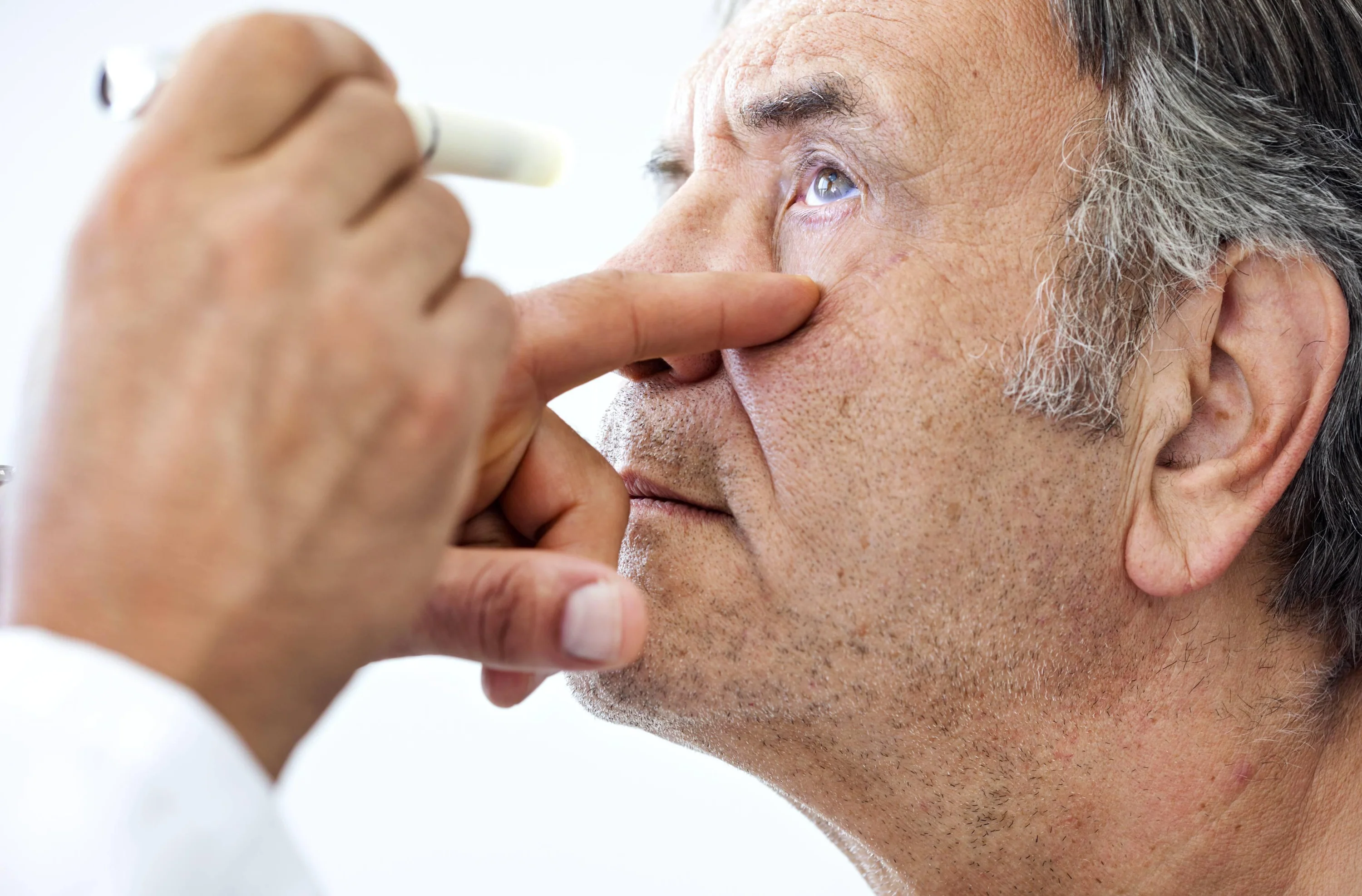
An optometrist can examine the surface of the eye and the tear film, then help determine whether the dryness looks straightforward or whether medical follow-up may be appropriate.
Uveitis is inflammation of the uvea, the middle layer of the eye, made up of the iris, ciliary body and choroid.
IRIS lists autoimmune diseases including rheumatoid arthritis, systemic lupus erythematosus, ankylosing spondylitis and Behçet’s disease among the non-infectious causes.
Not a dramatic blackout. More often a soft loss of definition, as though the world has quietly stopped focusing properly.

Optic neuritis is inflammation of the optic nerve, which carries visual information from the eye to the brain. IRIS notes that it most often appears in people between 20 and 40, and that it often begins with pain behind the eye that worsens with eye movement, alongside changes in vision.
Neuromyelitis optica, MOG antibody disease, lupus and certain infections are among them.
So the useful message is not “eye pain means MS.” It is that certain patterns of eye pain and vision change need medical assessment, because the optic nerve may be involved.
That distinction is what saves this article from becoming the internet’s least helpful symptom checker.
Dry eye is the most common ocular finding in both. Rheumatoid arthritis is also associated with episcleritis and scleritis, inflammation of the white of the eye, and lupus can in some cases involve the retina.
The point is not to memorize a disease-to-symptom chart. It is that these conditions can reach the eye by more than one route.

And if you have unexplained eye symptoms alongside broader ones such as joint pain, fatigue or a dry mouth, mention those too. Context changes what a finding in the eye might mean.
An optometrist may see a pattern that suggests inflammation, severe dry eye, optic-nerve involvement or something else that needs further investigation. That can lead to a referral or medical follow-up.
But autoimmune diseases are diagnosed through medical history, examination, bloodwork, imaging or specialist assessment, depending on the condition.


Book an eye examination for persistent or unexplained dryness or grittiness, redness, eye pain, sensitivity to light, new floaters, blurred vision or other vision changes.
Autoimmune diseases can affect the eyes through dryness, inflammation and, in some conditions, the optic nerve. Eye symptoms on their own do not diagnose anything.
If you are living with an autoimmune condition, or you have eye symptoms that are not behaving like ordinary dryness or fatigue, an eye examination can help work out what is happening at the eye level and whether further medical follow-up makes sense.

IRIS Cochrane provides eye exams, prescription eyewear, sunglasses and contact lenses for people and families in Cochrane and the surrounding area. The clinic is part of the Canadian IRIS network and is led locally by optometrists including Dr. Jason Hauck, Dr. Ravneet Grewal and Dr. Nadia Albano.

IRIS Cochrane is a local optometry and eyewear clinic serving Cochrane residents with eye exams, vision care, prescription glasses, sunglasses and contact lenses. The clinic is part of IRIS The Visual Group, a Canadian eye care brand with roots dating back to 1990. IRIS brings optometrists, opticians and ophthalmology services together under one national banner, while the Cochrane clinic offers local access to care for families, adults, children, contact lens wearers and anyone noticing changes in their vision. Public IRIS listings identify Dr. Jason Hauck as Owner and Optometrist at IRIS Cochrane, with Dr. Ravneet Grewal and Dr. Nadia Albano also connected to the Cochrane clinic.