

Ozempic has reached the stage of fame where almost everybody knows somebody taking it.
Maybe it is for type 2 diabetes. Maybe it is Wegovy for weight management. Maybe someone at dinner has suddenly developed very strong opinions about protein.
And lately, another question has been following these medications around: can GLP-1 drugs affect your eyesight?
The short answer is possibly, in a few different ways. But this is not a reason to panic or suddenly stop taking your medication.
It is a reason to understand what researchers are watching, especially if you have diabetes or existing eye disease.

That headline would certainly get clicks.
Semaglutide, the active ingredient in Ozempic and Wegovy, has enormous documented benefits for many people with diabetes, obesity and cardiovascular risk. Researchers are now studying some uncommon eye complications alongside those benefits.

It has a truly spectacular medical name: non-arteritic anterior ischemic optic neuropathy. NAION, mercifully.
It happens when blood flow to the optic nerve is disrupted, which can cause sudden, usually painless vision loss.
A 2026 study of U.S. veterans with type 2 diabetes found roughly double the rate of NAION among semaglutide users, compared with people on certain other diabetes treatments, over a median 2.1 years. It is one observational cohort, not a personal risk calculation.
They reviewed clinical trials, observational studies and post-market reports before concluding in 2025 that NAION should be listed as a very rare side effect of semaglutide. Research since then has continued to find a possible association, although scientists are still working out who may be most vulnerable and why.
So this is not imaginary. It is also not happening to huge numbers of people. Both things can be true at once.
This is where things get easy to muddle.
A large 2025 review of randomized trials found no significant increase in diabetic retinopathy overall among people taking semaglutide.
But when blood sugar improves rapidly, existing diabetic retinopathy can temporarily worsen. That was known before GLP-1 medications became household names, and Canadian prescribing information for Wegovy specifically advises monitoring people who already have diabetic retinopathy.
Even without GLP-1 medication, diabetes can affect the retina before your vision feels different.
That is why eye care matters even when you can still read the tiny text on your phone with alarming confidence.
IRIS itself notes that diabetic retinopathy can develop without noticeable early vision changes, and that comprehensive eye exams can help identify diabetic eye disease before symptoms become obvious.
Two overlapping reasons to keep your eyes on the radar, then: the diabetes itself, and the evolving research around the medication.
Most people taking semaglutide will not develop a serious eye complication.
European regulators specifically advise people taking semaglutide to contact a doctor without delay if sudden vision loss or rapidly worsening eyesight occurs.
Other new or significant vision changes are also worth discussing with the healthcare professionals looking after you.
Not because every blurry Tuesday is Ozempic doing something sinister.
Because eyes are terrible at sending calendar invitations before something important happens.

These medications can provide major health benefits, and experts reviewing the NAION data have cautioned against broadly changing prescribing simply because a rare possible risk has emerged.
Medication decisions belong with the clinician prescribing it, particularly if you have diabetes, existing diabetic retinopathy, vascular risk factors or a history of significant eye disease.
The useful move is not “I heard Ozempic can make you blind.” It is “I am taking a GLP-1 medication. Is there anything about my eye history that we should be watching?”
Much less dramatic. Much more useful.

If you have diabetes, retinal health already deserves regular monitoring. And if you are taking a medication being studied for uncommon optic-nerve or retinal complications, your optometrist knowing that gives them better clinical context.
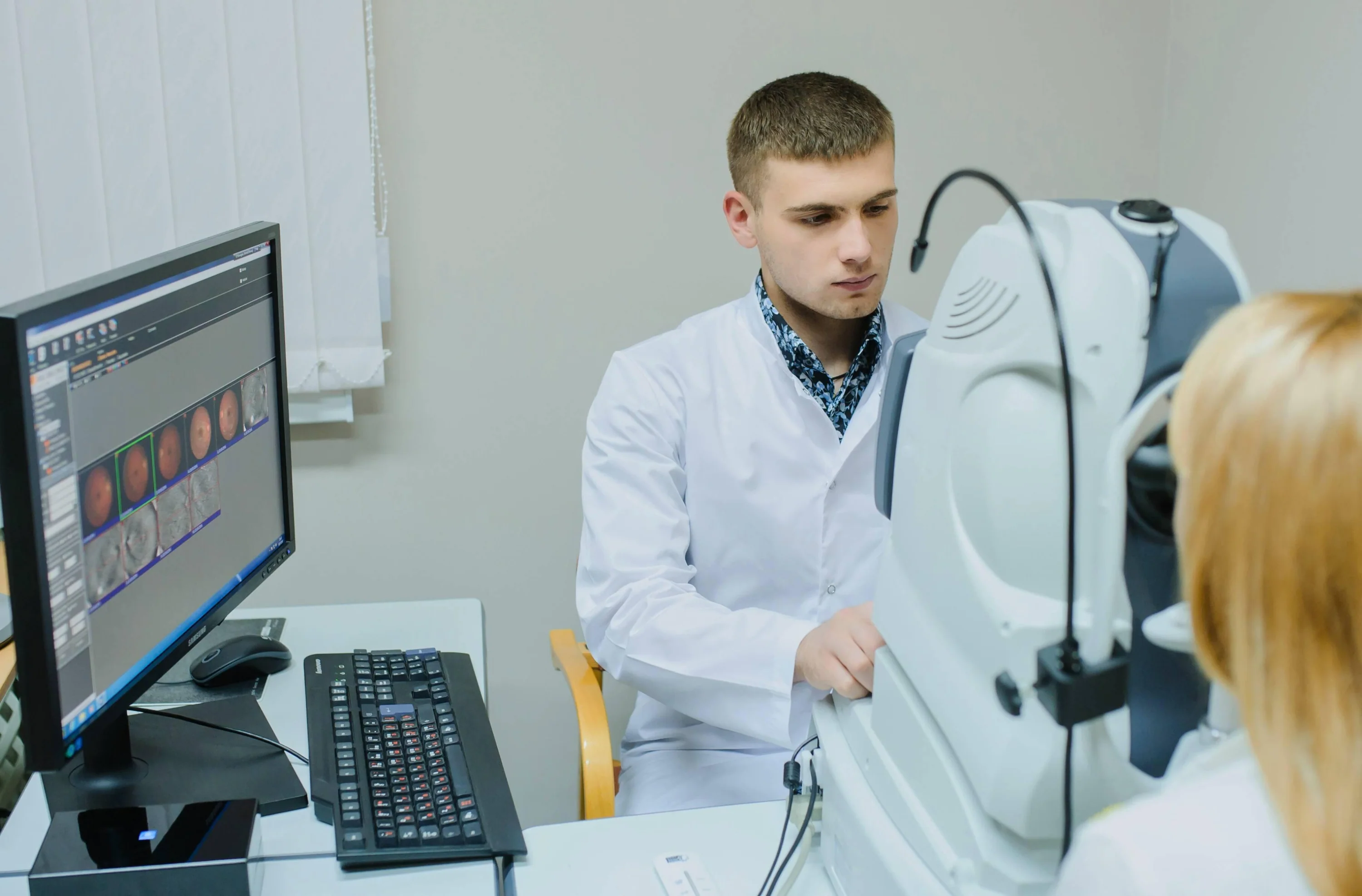
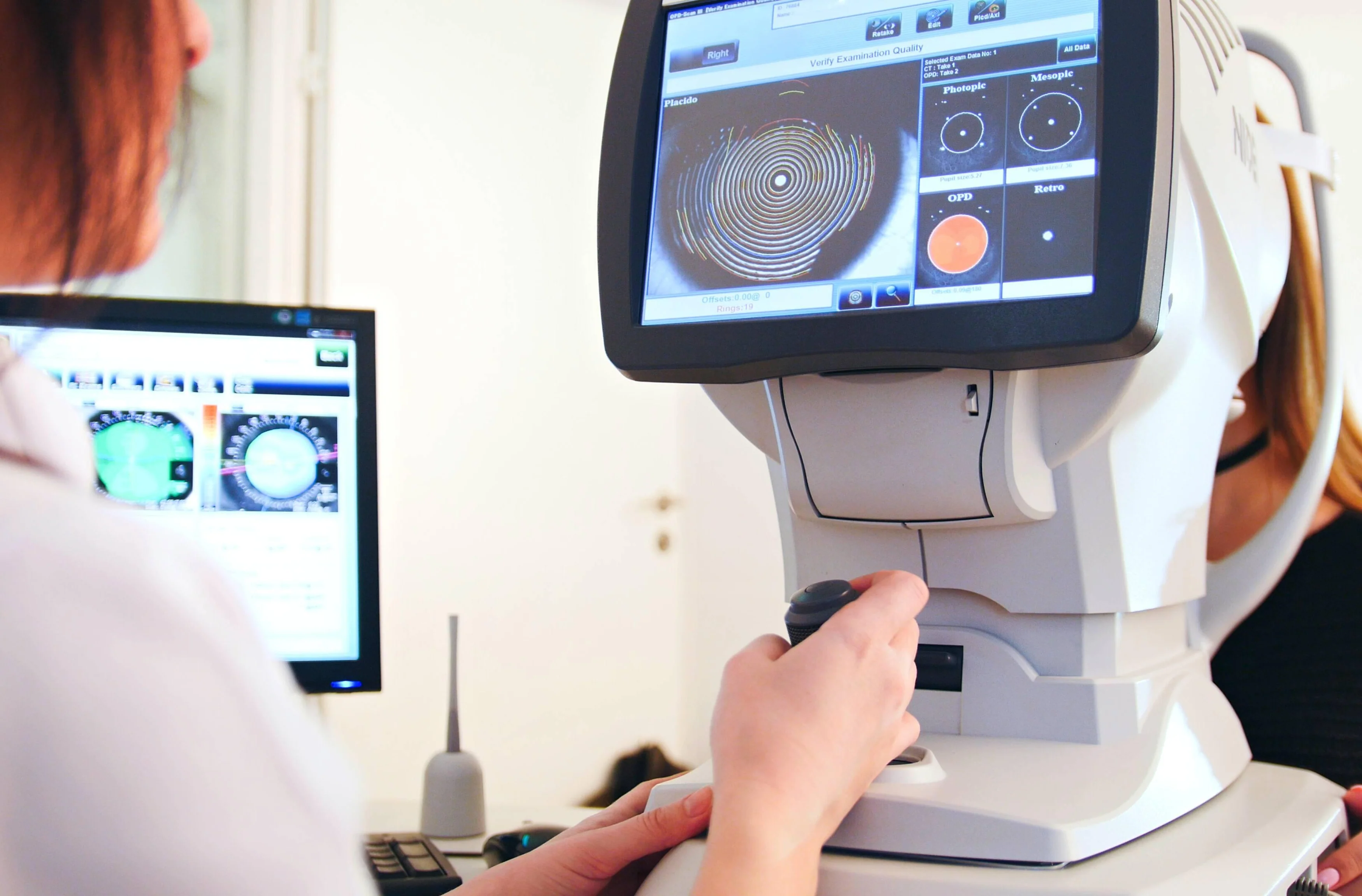
At IRIS Cochrane, comprehensive exams can include assessment of the retina and other structures of the eye, with technologies such as retinal imaging and OCT available within the broader IRIS network.
The point is not to go looking for trouble. It is to have a baseline, and to avoid waiting for your eyesight to send a push notification.
GLP-1 medications have changed diabetes and weight-management treatment remarkably quickly. The eye research is moving quickly too.
Make sure the people looking after your health know what you are taking.

IRIS Cochrane provides eye exams, prescription eyewear, sunglasses and contact lenses for people and families in Cochrane and the surrounding area. The clinic is part of the Canadian IRIS network and is led locally by optometrists including Dr. Jason Hauck, Dr. Ravneet Grewal and Dr. Nadia Albano.

IRIS Cochrane is a local optometry and eyewear clinic serving Cochrane residents with eye exams, vision care, prescription glasses, sunglasses and contact lenses. The clinic is part of IRIS The Visual Group, a Canadian eye care brand with roots dating back to 1990. IRIS brings optometrists, opticians and ophthalmology services together under one national banner, while the Cochrane clinic offers local access to care for families, adults, children, contact lens wearers and anyone noticing changes in their vision. Public IRIS listings identify Dr. Jason Hauck as Owner and Optometrist at IRIS Cochrane, with Dr. Ravneet Grewal and Dr. Nadia Albano also connected to the Cochrane clinic.